 |
| Associate Professor Jake Shortt |

Showing posts sorted by relevance for query jake shortt. Sort by date Show all posts
Showing posts sorted by relevance for query jake shortt. Sort by date Show all posts
Thursday, 5 March 2020
Associate Prof Jake Shortt receives Cancer Council Victoria funding for research into leukaemia and lymphoma treatments

Monday, 14 September 2015
Head of Haematology Research starts at MHTP
 |
| Associate Professor Jake Shortt |
Monash University and Monash Health
are excited to announce renowned haematologist Associate Professor Jake Shortt
will lead haematology research in a newly created role at the Monash Health
Translation Precinct (MHTP).
Associate Professor Shortt is
clinical lead for leukemia and myelodysplasia at Monash Health and principle
investigator on a number of leukemia and bone marrow disorder studies within
the clinical trials unit.
“My scientific research focuses
largely on lymphoma, leukaemia and myeloma and with our increased understanding
of what drives these diseases at a molecular level, we can now rationally
target the survival pathways and abnormal genetic programs operating within
cancer cells,” said Associate Professor Shortt.
Most recently, Associate Professor Shortt’s research has
involved combining drugs that work on epigenetic pathways with immune-modulators.
“If the DNA of a cell is its hardware, epigenetic
pathways constitute the software, and software is re-programmable with drugs,”
he explained.
“Epigenetic drugs can change or kill cells in such a way
that they become more visible to the immune system and therefore you can prime
a patient’s tumour and immune system concurrently to gain major therapeutic
responses.”
“It is no exaggeration to say we have seen miraculous
responses in the clinic at Monash, using approaches gleaned from our laboratory-based
research.”
Until recently a Senior Research
Fellow at Peter Mac, Associate Professor Shortt has relocated to MHTP to be at
the ‘coal face’ of translational research, allowing him to conduct basic
scientific research in tandem with clinical trial activity.
“It is a very exciting time in
haematology and cancer biology at the moment,” said Associate Professor Shortt.
“We are seeing a revolution in our understanding of
tumour biology at the genomic and epigenetic level. Concurrently there has been a paradigm shift
in the therapeutic application of immuno-oncology.”
In his new role at MHTP, Associate Professor Shortt
plans to further develop his pre-clinical and translational research
rationally, applying targeted therapies within appropriate genomic and
epigenetic contexts.
“This new role will better allow me to link these
concepts with clinical trial activity and from a broader perspective I would
like to develop Haemato-Oncology at Monash into an internationally competitive
program, building the academic reputation of both the Haematology department
and Haematology research at the School of Clinical Sciences.”
“The major advantage Monash Health
and the MHTP has over other cancer hospitals is its proximity to patients, and
I feel I am taking my science to where the patients are, in an area of real
growth and potential.”
“I’m really excited about the
prospects at Monash—being embedded in a state-of-the-art facility with a really
positive and progressive group of clinician scientists is a recipe for success,”
added Associate Professor Shortt.
“We have an unprecedented
opportunity to stake a claim in the future of haematology and cancer medicine
in Victoria.”
Monday, 5 December 2016
Monash patients benefit from blood cancer drug for autoimmune disease
 |
| Publication authors Prof Stephen Opat, Dr Sumita Ratnasingham and Assoc Prof Jake Shortt at the ASH Annual Meeting 3 December 2016 |
In a world-first, a Monash University study has shown an
anti-myeloma drug to be an effective treatment against a range of autoimmune
diseases affecting the blood.
Thrombotic thrombocytopenic purpura (TPP) is one such
disease—a rare blood disorder characterised by clotting in small blood vessels.
TPP causes microscopic clots to form throughout the body that can damage organs
including the kidneys, heart and brain.
“At Monash, we were the first ever to use bortezomib (an
anti-myeloma drug) in a patient with TPP,” said lead researcher and Monash
Health haematologist Associate Professor Jake Shortt.
“Further to the patient’s full recovery and our New
England Journal paper about this in 2013, we have successfully used
bortezomib in a number of patients with a range of nasty autoimmune diseases
affecting the blood.”
Presented as a case series, Associate Professor Shortt’s
research was published this week in the inaugural issue of Blood Advances,
a new peer-reviewed journal published by the American Society of Hematology and
the first journal to join the Blood family in 70 years.
“If you consider that leukaemia and lymphoma are cancers of
the immune system and that autoimmune disease is caused by an overactive immune
system, you can rationalise that anti-lymphoma drugs could be good for
autoimmune disease,” said Associate Professor Shortt, who is also Head of
Haematology Research at the Monash Health Translation Precinct.
Associate Professor Shortt said that the subsequent use of
bortezomib in ten Monash Health patients was carried out ‘off label’ through
compassionate access—a real credit to Monash Health’s attitude towards drug
availability for patients in need.
“Although our paper is a case series rather than a clinical
trial, we have observed high response rates with minimal toxicity,” said
Associate Professor Shortt.
Associate Professor Shortt presented an abstract of this
work at last year’s American Society of Hematology annual meeting, and it was
subsequently listed in the Cleveland Clinics top 10 most compelling 2015 benign
haematology abstracts.
The article published in Blood Advances was also distributed to 27,000 delegates at the American Society of Hematology's Annual Meeting in San Diego last weekend.
Monday, 14 December 2015
Associate Professor Jake Shortt and co-authors recognised for research excellence
 |
| Assoc Prof Shortt |
Clinician Researcher at the Monash Health
Translation Precinct (MHTP), Associate Professor Jake Shortt and his co-authors
are recipients of the 2015 Joseph Sambrook Award for Research Excellence.
The Sambrook Award is awarded to the researchers
at Peter Mac who were the principal authors of a paper considered by an independent
panel to be the 'best' published from Peter Mac in a peer-reviewed journal over
the two previous calendar years (in this instance, 2013 and 2014).
The criteria for award are research
excellence, actual or potential clinical impact and work considered to be of
'paradigm shifting' nature.
Until a few
months ago a Senior Research Fellow at Peter Mac, Associate Professor Shortt
relocated to MHTP to be at the ‘coal face’ of translational research, allowing
him to conduct basic scientific research in tandem with clinical trial
activity.
Associate Professor Shortt
is now running a translational research group in malignant haematology at the
MHTP and is clinical lead at Monash Health for leukaemia and myelodysplasia.
The paper for which Associate Professor
Shortt received the Sambrook Award is: The drug vehicle and solvent,
N-methylpyrrolidone is an epigenetic immunomodulator and anti-myeloma compound.
Cell Reports 2014; 7:1009-19.
“Our paper reports the surprising discovery
that N-methylpyrrolidone, which has been used to formulate a wide variety of
drug preparations for many years and had been considered relatively biologically
inert, has significant activity in a preclinical myeloma model,” said Associate
Professor Shortt.
“We explored the mechanism and identified
that NMP has immunomodulatory activity and modifies gene expression through an epigenetic
mechanism and this work has since led to a Phase I clinical trial of NMP in
refractory multiple myeloma and a drug development program that aims to produce
more potent anti-cancer agents based on NMP.”
Monday, 19 January 2015
Monash University research uncovers potential of new clinical trial for lymphoma patients
 |
| Dr Jake Shortt |
Researchers at Monash University have shown a novel
anti-lymphoma therapy is remarkably effective against one of the most
aggressive B-cell lymphomas.
Published in the prestigious journal Leukemia and led
by Peter MacCallum Cancer Centre’s Dr Gareth Gregory, the research is part of
an ongoing collaboration with Monash University’s School of Clinical Sciences(SCS).
According to Cancer
Council Australia, lymphomas
are the most common form of haematological or blood cancer in Australia, and
the sixth most common form of cancer overall.
The
incidence of lymphomas has more than doubled over the past 20 years and is
continuing to rise, for no known reason.
“Certain B-cell lymphomas carry a cancer causing gene called
‘Myc’, said research collaborator Dr Jake Shortt, co-senior author and Adjunct
Senior Lecturer, School of Clinical Sciences at Monash Health.
Monday, 11 September 2017
Monash research into myeloma receives generous donation
 |
| Associate Professor Jake Shortt, Dr Zahra Sabouri-Thompson and Mr Russell Bode |
Mr Laurence ‘Laurie’ Bode sadly passed away from myeloma in July
2016. Keen to make a difference and
improve outcomes for myeloma patients, Laurie’s family identified Monash
University’s Associate Professor Jake Shortt as a leader in myeloma research. The family has recently bequeathed his
laboratory $100,000.
Associate Professor Shortt is a Monash Health haematologist
and Head of the Blood Cancer Therapeutics Laboratory, Monash University at the
Monash Health Translation Precinct (MHTP).
“The Bode family reviewed the
work we are doing in myeloma at the MHTP and wanted to fund a 'discovery
project' looking for new treatments,” Associate Professor Shortt said.
 |
| Laurie Bode with his grandchild |
“Their generous donation has enabled
us to dedicate a full time scientist, Dr Zahra Sabouri-Thompson, to myeloma
research, specifically aiming to discover how to 'drug' new targets in the
myeloma cell.”
A former Electronic Warfare practitioner with the Department
of Defence, Laurie had always enjoyed solving complex problems and approached
his disease in the same way.
Laurie’s brother and estate executor, Russell Bode, said
Laurie hated not being in control of the outcome of his disease and the aim of
the donation is to enable research into a curative solution.
“After
the birth of his first grandchild in 2015, Laurie was adamant that a cure for
cancer would be found, and it need not have the same crippling impact on future
generations,” Russell said.
“Laurie’s generosity demonstrates his desire as an engineer
to solve problems like myeloma, and not accept the fact the disease doesn’t have
a cure.”
“His
normal approach to complex issues in his electronic warfare engineering career
was to thoroughly research the issue, and apply his no fuss practical
innovative problem solving capability to
a neat solution,” Russell said.
Laurie’s family are hopeful that the BloodCancer Therapeutics laboratory team will help find that solution.
Associate
Professor Shortt said he is extremely grateful to the Bode family for helping translate
his laboratory’s discoveries to new treatments in the clinic.
Thursday, 5 May 2022
Professor Jake Shortt appointed Acting Head, Department of Medicine
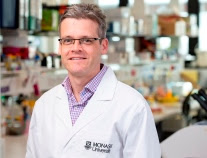
Please join us in welcoming and supporting Professor Shortt as he takes on this important role whilst also continuing as Head of Haematology Research and clinical lead at Monash Haematology for myeloid leukaemia, myelodysplasia and T-cell lymphoma. He is also Principal Investigator on a range of clinical trials for T-cell lymphoma and myeloid malignancies, conducted through the Monash Haematology clinical trials unit.
Ms Ruth Fantozzi will be supporting Professor Shortt as Executive Assistant to the Head of Department of Medicine and can be contacted via email (ruth.fantozzi@monash.edu) for any Department-related matters.
Wednesday, 7 August 2019
Associate Professor Jake Shortt receives SERP grant for myeloma research

Monday, 19 February 2018
MHTP hosts Myeloma Australia event
 |
| Laura Jones, Dr George Grigoriadis, Dr Michael Low, Associate Professor Jake Shortt, Elli Foley |
Held for the first time in collaboration with Monash Health and Monash University, the half day event took place in the Translational Research Facility (TRF) at the Monash Health Translation Precinct (MHTP).
 |
| Associate Professor Jake Shortt presenting |
"Topics were well received and involved disease overview, treating myeloma and living well, and research updates specific to the MHTP," Laura said.
Monday, 27 February 2017
Monash Health acknowledged internationally as Myelodysplasia Center of Excellence
 |
| Associate Professor Jake Shortt |
Monash Health in affiliation with Monash University has been
approved as a "Myelodysplasia (MDS) Center of Excellence" by the
International MDS Foundation.
Associate Professor Jake Shortt said the application was
supported by publications from the Grigoriadis/Banerjee lab and from several
papers by Dr Zoe McQuilten and Associate Professor Erica Wood using data
linkage to ascertain patterns of MDS in Australia.
“We are also a frequent lead Australian site in recruitment
to MDS clinical trials, several of which are currently recruiting at the MHTP,”
said Associate Professor Shortt, Head of Haematology Research and clinical lead
for MDS and Leukaemia at the Monash Health Translation Precinct.
The
Myelodysplastic Syndromes Foundation was established by an international group
of physicians and researchers to provide an ongoing exchange of information
relating to MDS.
To be recognized as an MDS Center of Excellence, an institution
must have:
- An
established university (or equivalent) program
- Recognized
morphologic expertise in MDS
- Available
cytogenetics and/or molecular genetics
- Ongoing
research, including Institutional Review Board-approved clinical trials
- Documentation
of peer-reviewed publications in the field
Associate Professor Shortt said he looks forward to
progressing the acute leukaemia strategy as the next goal in the MDS and
Leukaemia program at MHTP.
Monday, 2 November 2015
Monash haematologist recognised for leading myeloma research
 |
| Associate Professor Shortt |
Monash
haematologist and researcher Associate Professor Jake Shortt was awarded the prestigious Myeloma
Australia prize for the top preclinical myeloma research presentation at the
Haematology Society of Australia and New Zealand (HAA) meeting in Adelaide last
week.
Associate Professor Shortt is
clinical lead for leukaemia and myelodysplasia at Monash
Health and Head of Haematology
Research at the Monash Health Translation Precinct (MHTP).
At
the HAA annual meeting, Associate Professor Shortt presented his new research
findings in the Presidential Symposium.
“My
research group has discovered a new epigenetic mechanism of action for
thalidomide analogues, which are used widely in the clinic to treat myeloma,”
said Associate Professor Shortt.
“Despite
many years of clinical use, and the infamous causation of birth defects over
half a century ago, the way thalidomide worked at a molecular level was unknown
for many years.”
By
looking at the way certain genes change in myeloma cells after thalidomide
treatment, Associate Professor Shortt’s group identified that the thalidomide
analogues target a key epigenetic ‘reader protein’ for destruction. This impairs the ability of a myeloma cell to
access critical regions of DNA.
“MHTP
through the Department of Haematology was very well represented at the
HAA meeting, with seven oral and 18 poster
presentations,” added Associate Professor Shortt.
Also
an acknowledgement of the research strength at the precinct, Unit Head of
Clinical Haematology at Monash Health, Associate Professor Stephen Opat was
appointed President of the Haematology Society of Australia
and New Zealand (HSANZ).
Monday, 21 March 2016
Cancer patients to benefit from Victorian Cancer Agency funded research at MHTP
 |
| Associate Professor Jake Shortt |
Monash Health Translation Precinct (MHTP) researchers
received close to $4.5 million in grants in the latest Victorian Cancer Agency (VCA) funding round,
announced last Friday.
Of the eleven projects supported through the VCA, four
will be led by Monash University’s School of Clinical Science researchers.
MHTP Head of Haematology Research, Associate Professor Jake
Shortt received nearly $2 million to lead a clinical trial in collaboration with the Alfred's Myeloma Research Group investigating a new
cancer treatment for Victorian myeloma patients.
“Our patients will receive a unique therapeutic antibody
called MDX1097 that recognises a molecule only present on the surface of
myeloma cells, and not normal cells,” said Associate Professor Shortt.
“The most exciting recent advance in myeloma treatment is
the introduction of immune therapies targeting myeloma cells—and we’re hoping
our immune therapy MDX1097 will also make a significant impact.”
Monash University Senior Research Fellow Dr Arun Azad and
Hudson Institute’s Associate Professor Ron Firestein also received $2 million
to determine whether particular prostate and colorectal cancer patients will
respond to a new class of cancer drug known as BET inhibitors.
“Our clinical trial, to be undertaken at the newly opened
Clinical Trials Unit at MHTP, is the first in the world to look at the
association between patients with a particular biomarker known as long non-coding RNA and the
potential benefit of BET inhibitors,” said Dr Azad who is also a Consultant
Medical Oncologist at Monash Health.
Professor Terry Haines and Professor Helen Truby, Head of
Department of Nutrition and Dietetics were awarded $300,000 to examine
different approaches for delivering an accelerated nutrition support program
for patients with stomach or oesophageal cancer.
Director of Research at Southern Physiotherapy Clinical
School, Professor Haines said he hopes to deliver programs to improve body
weight and quality of life for those newly diagnosed with stomach or
oesophageal cancer.
Regional and rural Australian cancer patients will also
benefit from MHTP research aiming to improve palliative care expertise outside
metropolitan cities.
Director of Supportive and Palliative Care at Monash Health,
Associate Professor Peter Poon received $141,000 to lead a telehealth project
to deliver earlier specialist palliative care to rural cancer patients,
especially those with difficult-to-manage symptoms.
“Working together with rural medical practitioners, our
project will lead to improved care planning, carer support and
multidisciplinary management,” said Associate Professor Poon.
Monday, 5 December 2016
Monash leads Federal Government’s NHMRC project grant funding
 |
| Professor William Sievert |
The Federal Minister for Health, The Hon Sussan Ley announced on
Saturday that Monash University had topped the funding in this year’s project
grants awarded by the National Health and Medical Research Council (NHMRC).
Monash is to receive a total of $78.7 million, including $62.7 million
in project grants.
The School of Clinical Sciences at Monash Health (SCS) and Hudson
Institute of Medical Research together received 15 of the Faculty’s 64 grants,
totalling $10.7 million in new funding for CIA researchers.
Monash Health nephrologist Associate Professor Kevan Polkinghorne received
more than $1 million for his project that will study the impact of fish oil
supplementation on reducing cardiovascular disease events in dialysis
patients.
“If proven beneficial, it will represent an easily accessible and
inexpensive novel therapy to improve the lifespan of dialysis patients,” said
Associate Professor Polkinghorne.
Nearly $500,000 awarded to Head of Haematology Research at the Monash
Health Translation Precinct, Associate Professor Jake Shortt brings hope to
multiple myeloma patients.
“Thalidomide-like
drugs (called IMiDs) are an essential treatment for multiple myeloma, a common
incurable blood cancer,” said Associate Professor Shortt.
“We
have discovered that IMiDs destroy proteins that myeloma cells use to ‘read’
cancer-causing genes in their own DNA.”
“We
will investigate how important the destruction of these ‘gene readers’ is in
myeloma cells, including patient samples—also setting up future studies
targeting ‘gene readers’ using IMiDs in combination with other targeted drugs
in clinical trials.”
Patients suffering liver cirrhosis are also expected to benefit from
nearly $400,000 awarded to Professor William Sievert.
“Globally, liver cirrhosis is the sixth most common cause of life-years
lost to premature mortality and deaths due to liver cirrhosis have increased by
over 45% between 1990 and 2013,” said Professor Sievert, Director of
Gastroenterology and Hepatology Unit at Monash Health.
“We propose a phase 1 clinical trial of human amnion epithelial cells
(hAEC), a placental stem cell derived from the fetus, in patients with
compensated cirrhosis.”
“Our ultimate goal is to develop hAEC as a therapy that will reduce
fibrosis in cirrhotic patients at risk of disease progression and this therapy
has the potential to decrease the global burden of disease and death due to
cirrhosis and its complications.”
Professor Paul Hertzog, Director of the Centre for Innate Immunity and
Infectious Diseases at the Hudson Institute of Medical Research received more
than $1.3 million for his research into interferons (IFNs), a family of proteins with critical
roles in infectious and inflammatory diseases and cancers.
Professor
Hertzog said that currently we do not understand why there are so many type I
IFNs, their different functions and how they are achieved.
“This
project will determine at a fine molecular level how different IFNs interact
with molecules on target cells and transmit particular signals. We will focus
on a novel IFNe that we discovered and these studies will underpin the
development of new therapies.”
Congratulations to all researchers (listed below) at the Monash Health
Translation Precinct (MHTP) who received grants or fellowships in this latest
round. Read full details of their
grants HERE.
Dr David Scott
Professor Stephen Holdsworth
Associate Professor Jake Shortt
Professor Paul Hertzog
Professor Michael Hickey
Professor William Sievert
Associate Professor Evdokia Dimitriadis
Associate Professor Ron Firestein
Dr Colin Clyne
Associate Professor Mark Hedger
Dr Peter Stanton
Professor David Walker
Professor Philip Bardin
Dr Miranda Davies-Tuck
Associate Professor Kevan Polkinghorne
Dr Michelle Tate
Dr Jacqueline Boyle
Professor David Nikolic-Paterson
Monday, 8 September 2014
Internationally-recognised haematologist leads world-first clinical trial to fight blood cancers
 A world-first clinical trial and research into a new drug
class to fight blood cancers has earned Dr Jake Shortt a competitive Victorian
Cancer Agency (VCA) Fellowship worth $750,468 over four years.
A world-first clinical trial and research into a new drug
class to fight blood cancers has earned Dr Jake Shortt a competitive Victorian
Cancer Agency (VCA) Fellowship worth $750,468 over four years.
The Eva & Les Erdi Snowdome / VCA Fellowship will enable
Jake to investigate awakening dormant genes to help the immune system fight
blood cancers.
Monday, 17 September 2018
Talking lymphoma with Associate Professor Jake Shortt
Listen to Monash University's Associate Professor Jake Shortt talk about lymphoma research.
15 September was World Lymphoma Awareness Day. See the Leukaemia Foundation's site for more information.
Monday, 21 December 2015
Monash haematology research showcased at ASH Scientific Meeting in North America
 |
| Dr Sumita Ratnasingam with poster at the ASH in Orlando, Florida. |
Published this month in Blood, the abstract Bortezomib Yields High Response Rates in Antibody-Mediated
Autoimmune Hematological Diseases Refractory to Conventional Immunosuppression, is a collaborative research study led by Monash
researchers including Dr Rathasingam, Associate Professor Stephen Opat and
Associate Professor Jake Shortt. Other
contributors included collaborating clinicians from the Alfred, Monash
and Peninsula Health.
“The authors describe the first case series of bortezomib
use in autoimmune hematological disease,” said co-author Associate Professor
Shortt.
“Building on an initial case from Monash Health that was
reported in the New England Journal of Medicine (Shortt et al, NEJM,
2013; 368: 90-2), the anti-cancer drug bortezomib has now been successfully
repurposed in a range of non-malignant immune-mediated diseases.”
Bortezomib was designed to kill myeloma cells—these arise
from the part of the immune system that makes antibodies.
In autoimmune disease, antibodies from non-cancerous plasma
cells are produced and these can attack normal tissues, including blood cells.
“On this basis, we have now used bortezomib ‘off-label’ to
reduce antibody production in autoimmune disease, and it appears to be both
effective and well tolerated,” added Associate Professor Shortt.
The novelty of this work merited selection showcasing in the
‘Highlights of ASH in North America, 2016’ program, which provides a re-cap of
‘stand out’ abstracts from the ASH meeting.
Investigators at Monash Haematology and the School of
Clinical Sciences at Monash Health are currently developing a trial protocol in
which to formally test this approach prospectively in patients.
Tuesday, 19 December 2017
Monash haematology leading new investigator research in Australia
 |
| Dr Danielle Oh, Dr Olga Motorna, Dr Allison Mo |
Monash Health haematology trainees Dr Olga Motorna, Dr
Danielle Oh and Dr Allison Mo each received prestigious scholarships worth $60,000
to support their PhD projects at Monash University and Melbourne University. Only seven scholarships are awarded across Australia and New Zealand.
Under the supervision of Professor Erica Wood, Dr Zoe
McQuilten and Associate Professor Jake Shortt, Dr Mo will undertake
epidemiological and clinical studies investigate anaemia in the elderly
Australian population.
“Although anaemia is common in the elderly (and rising
with an ageing population), and the elderly receive more blood transfusions for
treatment of anaemia than younger patients, we currently don’t have detailed epidemiological
data describing the burden of anaemia in the elderly Australian community, risk
factors or the consequences of anaemia on health outcomes,” Dr Mo said.
Consequently there is a lack of data to guide treatment
of anaemia and provide guidance on the appropriate use of blood transfusions in
the elderly.
Tuesday, 24 May 2016
MHTP Clinical Trials Centre a unique Australian resource

Clinician researchers at the newly opened MHTP Clinical
Trials Centre celebrated International Clinical Trials Day last Friday.
Held on 20 May, the event commemorates the day that James
Lind began his trials into the causes of scurvy. Lind's
experiments in 1747 on board the HMS Salisbury were run under very different
conditions to today.
The
state-of-the-art Clinical Trials Centre (CTC) at the Monash Health Translation
Precinct (MHTP) provides a ‘home base’ for Monash Health clinician-scientists
to conduct early, mid and late phase clinical trials. Supported by a dedicated clinical trial
pharmacy and pathology centre, the CTC pharmacy and pathology staff understand
the specific requirements of trial protocols.
 |
| Clinical Trials Centre team at MHTP |
”The CTC provides a resource that is available nowhere else
in Australia,” said Clinical Lead for the MHTP Clinical Trial Centre Professor
William Sievert.
The Centre includes access to chairs for study subjects requiring
timed infusions of investigational new drugs and overnight facilities for
participants in detailed pharmacokinetic studies.
“Every detail is watched over by clinical trial nurses who
ensure that trial protocols are strictly followed while providing care for their
study subjects,” said Professor Sievert, who is also Director, Gastroenterology
and Hepatology Unit, Monash Health and a Research Group Head in the Centre for
Inflammatory Diseases at Monash University.
Since opening late last year, 416 patients have visited the
CTC, participating in 83 different clinical trials from 12 trial units,
including haematology, oncology, lung & sleep, gastro/liver, diabetes,
infectious diseases, gastro IBD, rheumatology, neurology, stroke, emergency and
endocrinology.
“Our
clinical research group is focused on treatment for viral hepatitis, hepatocellular
carcinoma in addition to care pathways for patients with end-stage liver
disease,”said Professor William Sievert.
“We have taken part in studies that have developed new,
non-interferon based therapy for hepatitis C that cures more than 90% of
patients who are treated.”
MHTP clinician-researchers are also starting studies that
will look at curing hepatitis B, which currently can be controlled but not
cured.
Head of Haematology Research at SCS and consultant haematologist at Monash Health, Associate Professor Jake Shortt is involved in clinical trials for patients with cancers of the blood and bone marrow such
as leukaemia, lymphoma and multiple myeloma.
"We use trials as a means to access promising medications for patients in need where they may not be available through the PBS."
Associate Professor Shortt said that in haematology there are a lot of new and effective high cost drugs that are not necessarily available.
"These drugs often provide a more effective alternative to conventional treatment, including 'chemo-free' regimens. Our studies seek to improve treatment outcomes in patients while saving the hospital system money at the same time."
Medical Oncologist and Head of Phase 1 Clinical Trials Group Dr Ben Markman runs clinical trials in cancer patients, testing new drugs that are early in development.
"We look at the safety of these compounds and how the body reacts to and handles the drugs," said Dr Markman.
"We provide opportunities for cancer patients where there may be no other options or the existing options are inadequate."
A truly translational facility, the CTC tackles all phases
of trials.
“We have multiple units utilising the floor; we are just not
giving Chemo,” said MHTP Clinical Trials Centre Manager Ms Cheryl Coleman. “We started out with 5 and currently have 11
with two more starting soon with us.”
The CTC provides a hybrid model of care, with both primary
and team nursing utilised. The space is shared, as is the experience and skills
of the staff.
“We offer a one stop shop: outpatient consults, treatment
areas, a dedicated trials pharmacy and a dedicated trials lab all on the same
floor,” said Ms Coleman.
The CTC at MHTP accepts trials from Monash Health, Monash
University and the Hudson Institute will soon commence work for commercial
businesses wanting to bring their technology to the patients.
Monday, 19 December 2016
Monash Haematology research recognised at HAA
 |
| Associate Professor Wood delivering the Ruth Sanger Oration |
Research at Monash Haematology
was recognised and awarded at the HAA Annual Scientific Meeting in Melbourne
last month, attended by around
1500 national and international delegates.
The event is the combined scientific meeting of
the Haematology Society of Australia and New Zealand (HSANZ), Australian and
New Zealand Society of Blood Transfusion (ANZSBT) and the Australasian Society
of Thrombosis and Haemostasis.
The prestigious Ruth Sanger
Oration was awarded to Associate
Professor Erica Wood, Monash Health haematologist and Head of Monash
University’s Transfusion Research Unit. The award is the highest honour of the ANZSBT made in recognition of a
significant contribution to the field of transfusion medicine.
Associate Professor Wood was recognised for her
research, teaching, service to the ANZSBT and international work.
“It was a great honour to receive the award and deliver the Ruth Sanger
Oration,” said Associate Professor Wood. “My oration focussed on the role of
haemovigilance systems in improving the safety of clinical transfusion in our
region and internationally.”
“While our blood supplies in Australia and New Zealand are very safe, we
still have a lot of work to do about how we use blood in our hospitals – human
error is responsible for many of the serious adverse events related to
transfusion,” said Associate Professor Wood.
Associate
Professor Wood is a member of the World Health Organization expert advisory
panel on transfusion medicine, Vice-President of the International Society of Blood Transfusion, and President of the International
Haemovigilance Network. In
these roles she has worked for more than 20 years to improve blood safety nationally
and internationally.
“We
are privileged to have a transfusion expert of Associate Professor Wood’s
calibre and international reputation championing patient blood management at
Monash Health,” said Associate Professor Jake Shortt, Group leader at the Monash
Health Translation Precinct.
Monash Health haematologist and
Monash University PhD student Dr Ashwini Bennett received the HSANZ New
Investigator scholarship.
This highly competitive award of $60,000 enables Dr Bennett to continue her PhD
at Monash Health and Monash University, where she is investigating novel
markers of thrombosis.
Other
recognition included an oral presentation by Monash Health haematologist Dr
Sumita Ratnasingam, whose research focuses on mantle cell lymphoma (MCL).
Dr
Ratnasingam’s study compared the safety and efficacy of first line
immunochemotherapy (ICT) regimens in treating elderly patients with MCL.
“MCL
accounts for 6% of all non-Hodgkin lymphoma and is a fairly aggressive disease
with an expected survival of less than five years,” said Dr Ratnasingam.
“Despite
the median age of diagnosis being 60-70 years, there is a paucity of treatment
guidelines or clinical trials for elderly MCL to guide our management,
resulting in varied treatment strategies and outcomes.”
Dr
Ratnasingam undertook a retrospective audit of elderly MCL (elderly defined as
age 60 or above) patients in four Victorian tertiary hospitals. The results
confirm that typical older patients with MCL benefit from the same therapies
normally reserved for younger patients.
Monash clinicians and researchers
had 20 abstracts accepted for oral and poster presentations at the Annual Scientific Meeting.
Monash University’s Adjunct Clinical
Associate Professor Stephen Opat is the current President of the HSANZ and was
the convenor of the meeting and chair of the local organising committee with
many other Monash Haematology staff members, including Associate Professor Shortt,
Associate Professor Wood and Dr Zane Kaplan.
An overview of Associate
Professor Wood’s lecture can be found here: http://thelimbic.com/haematology/clinical-transfusion-practice-in-australia-could-be-safer-sanger-oration
Monday, 23 October 2017
International award and fellowship for Monash haematologist will improve outcomes for lymphoma patients
 |
| Dr Gareth Gregory |
Monash haematologist Dr Gareth Gregory has been recognised
as an international expert in aggressive lymphoma, recently receiving the
European Hematology Association Clinical Research Training in Hematology Award.
Following a highly competitive application process, Dr
Gregory was one of only 15 international early career academic haematologists
selected who demonstrated success in clinical research. Only two were awarded to recipients outside Europe.
The Award consists of three workshops in Europe over the
next nine months, where Dr Gregory will network with world-leading
haematologist clinician-researchers to hone clinical trial design and
execution.
“I have a passion for translational research in order to
improve outcomes for patients afflicted by blood cancer,” Dr Gregory said.
“My interest in this field has led to a
number of clinical and preclinical projects, including my PhD research in
which I identified novel oncogenic dependencies of aggressive lymphoma.”
“Recent translation of my
findings has led to an international phase I clinical trial of new
therapies at the Monash Health Translation Precinct (MHTP) to treat aggressive
lymphoma.”
This award provides Dr Gregory with
the opportunity to learn from global leaders in the haematology research
community, with the ultimate aim of creating successful investigator-initiated
clinical trials to run from the MHTP to benefit Australian patients.
In further success, Dr Gregory has
also been awarded the School of Clinical Sciences at Monash Health (SCS) Early
Career Practitioner Fellowship for 2018.
“This fellowship bridges the difficult divide between award of
a PhD and eligibility for other early career funding opportunities,” Dr Gregory
said.
“The
fellowship will enable me to consolidate my role as a clinician-researcher
within the MHTP and to create a comprehensive lymphoma translational research
group to complement the expanding haematology and oncology presence in the precinct.”
“I am very
excited to be working alongside leading researchers in this area including
Professors Segalov and Southey and Associate Professors Shortt and Azad.”
Dr Gregory
said all of these opportunities are the result of the vision to expand haematology
clinical and research activities within Monash Health and Monash University and
none would have been possible without the personal mentorship from Unit Head,
Professor Stephen Opat, and his PhD supervisor Associate Professor Jake
Shortt.
“I am very excited
for the continued growth of these services and the bright future for
haematology research within the Monash network.”
Subscribe to:
Posts (Atom)